Our story
Muskrat Bay Wildlife is a registered 501(c)(3) nonprofit dedicated to giving injured, sick, and orphaned wild animals a second chance.
We care for small mammals, including opossum moms with a backpack full of babies, and rabies-vector species like raccoons, skunks, and bats. Every animal gets care from people who love the wild as much as they do.
Our goal is always the same: return healthy animals to the wild.
Our mission
Rescue. Rehabilitate. Release. And help our neighbors live alongside wildlife.
Meet Emily
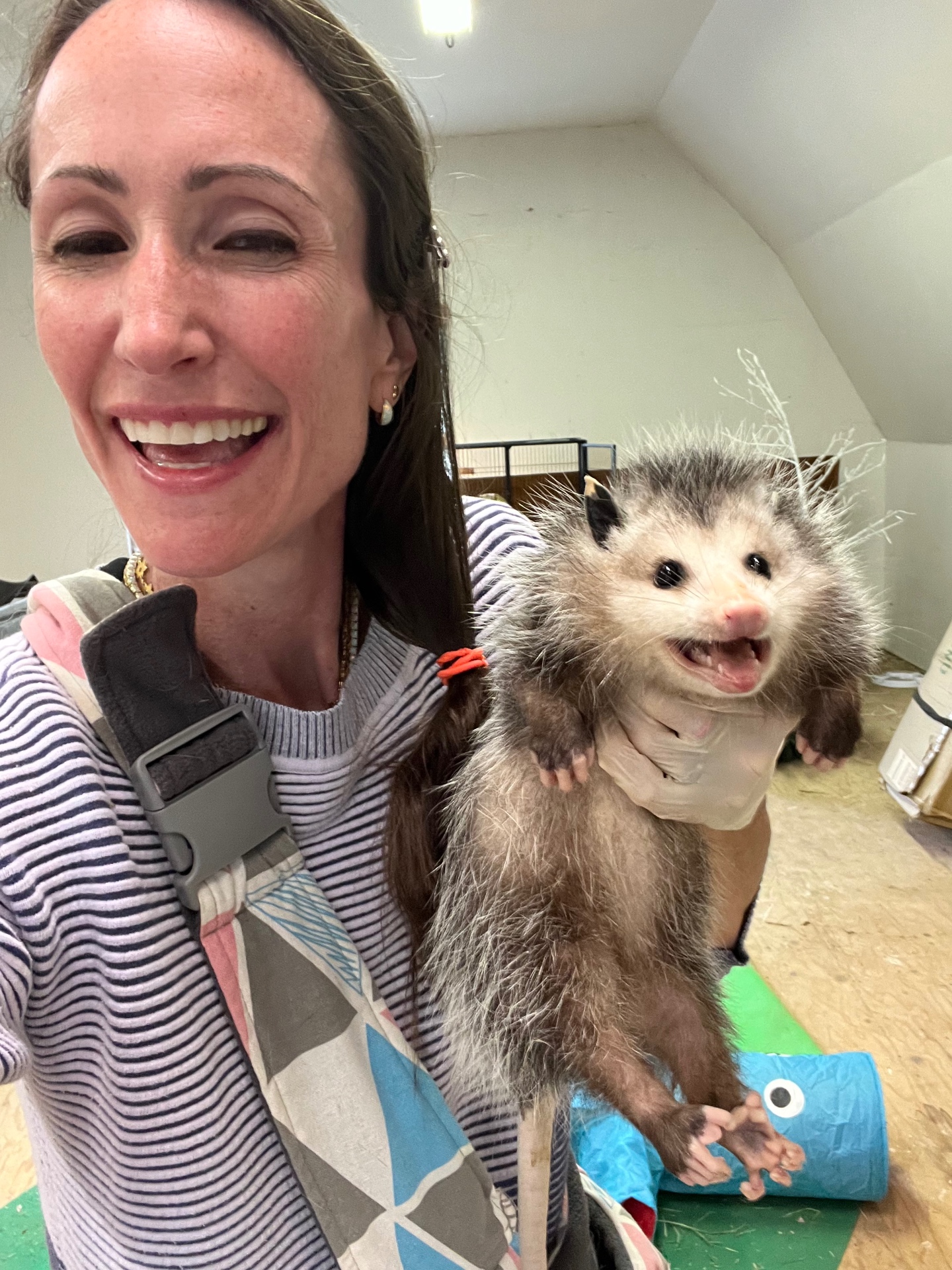
Emily is the founder of Muskrat Bay Wildlife. She is a Class I wildlife rehabilitator with an assistant rabies vector species (RVS) license, caring for the small mammals and rabies-vector species you see throughout this site.
By day, she is an animal toxicologist (PhD, MPH) working in pharmaceutical consulting and teaching Biostatistics at the University of California, Berkeley.
Every rescue, rehabilitation, and release is done 100% by volunteers and is mostly personally funded; your support keeps Muskrat Bay Wildlife running.
Resources for finding help
If you have found a small mammal or a rabies-vector species (a raccoon, skunk, or bat), the safest first step is always to call a licensed wildlife rehabilitator before touching the animal. These trusted organizations offer general, up-to-date guidance on what to do, much more detail than we could keep current here.
Safe, general guidance
- National Wildlife Rehabilitators Association: Help! I've Found an Injured AnimalStep-by-step decision guides for injured and baby mammals, and what to do when a rehabilitator isn't answering.
- Animal Help Now (ahnow.org)Enter your location and instantly see nearby wildlife helpers, available any time, day or night.
Contacting a licensed rehabilitator
- Find a rehabilitator near you: the DEC's searchable database lists every licensed rehabilitator in New York by county, and the DEC's wildlife rehabilitators page explains how the process works.
- Call before transporting. Rehabilitators volunteer their time, and not all can accept every animal; a quick call confirms who can help with your species.
- If instructed to contain the animal: use a ventilated box or carrier lined with a towel, keep it in a quiet, dark, warm place, and keep people and pets away.
- Never offer food or water; it can be dangerous for injured animals.
- Note where and when you found the animal. It matters for its care and release.